
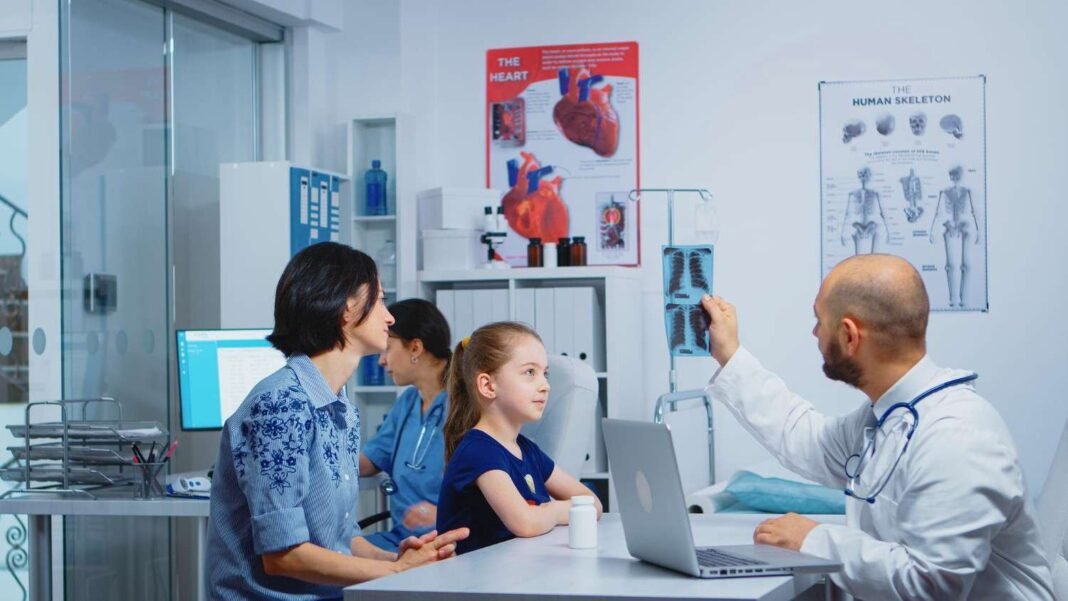
When a medical emergency strikes or a chronic health condition worsens, the last thing any family wants is to travel hours to a distant metro city for basic specialized care. For years, residents in regional hubs faced a difficult choice: accept limited local clinic care or endure long, stressful journeys to major urban centers. Today, that regional healthcare gap is rapidly closing. The rise of advanced tertiary medical centers in tier-2 cities is transforming patient care, bringing experienced doctors, modern diagnostics, and specialized surgical units directly to local communities. Families seeking compassionate, clinical excellence in Karnataka can turn to a premier multispeciality hospital in hassan to access advanced medical treatments close to home.
Understanding how a modern healthcare facility integrates emergency care, surgical specialties, and diagnostic technology helps families make confident decisions during medical crises. By combining experienced specialists with advanced medical tools, local healthcare centers protect patient safety, reduce recovery times, and deliver exceptional clinical outcomes.
The Operational Pillars of Modern Clinical Care
Delivering reliable medical care requires much more than clean consultation rooms. Modern hospitals operate as integrated medical hubs where every department works together seamlessly to protect patient health.
When a patient enters a well-equipped medical center, every step follows a clear, life-saving protocol. Emergency trauma teams coordinate instantly with radiology for CT scans, while intensive care specialists prepare specialized monitoring beds. This coordinated approach prevents dangerous delays, reduces treatment risks, and ensures patients receive accurate diagnoses when every second counts.
Essential Clinical Departments for Family Wellness
A full-service medical facility offers specialized clinical departments under one roof, providing complete healthcare support for every family member.
Emergency and Trauma Care
Accidents and sudden health crises require immediate, expert attention. Round-the-clock emergency units feature trauma care beds, advanced resuscitation equipment, and dedicated critical care doctors ready to handle sudden cardiac events, severe injuries, and acute illnesses.
Advanced Surgical and Orthopedic Specialties
From keyhole laparoscopic surgeries to complex joint replacements, modern operating theaters use sterile laminar airflow systems and precise surgical tools. These advanced facilities help surgeons perform delicate procedures safely, leading to less pain, smaller scars, and faster hospital discharges.
Comprehensive Cardiology and Vascular Medicine
Heart health demands constant attention. Dedicated cardiac care units offer non-invasive diagnostic testing, continuous ECG monitoring, and preventative screening programs to catch heart issues early and prevent serious complications.
Specialized Internal Medicine and Critical Care
Managing complex health conditions like diabetes, hypertension, respiratory illnesses, and kidney disease requires ongoing medical guidance. Choosing a top-rated multispeciality hospital in hassan gives patients direct access to experienced physicians, modern intensive care units (ICUs), and personal treatment plans designed to restore health.
Strategic Benefits of Accessing Advanced Local Healthcare
Relying on specialized local medical centers offers distinct advantages over traveling long distances for healthcare. A comprehensive healthcare management report published by Forbes highlights that receiving timely medical care within local communities improves long-term patient recovery rates by over 30%, while significantly reducing emotional stress and travel expenses for families.
Partnering with a trusted local medical provider delivers key patient benefits:
- Immediate Emergency Access: Critical minutes saved during cardiac events or stroke symptoms directly translate to better survival rates and better long-term recovery.
- Complete Continuity of Care: Patients can attend routine follow-up visits, complete physical therapy, and consult specialists without taking long trips out of town.
- Affordable Family Healthcare: Eliminating long-distance travel and hotel stays keeps healthcare costs manageable while maintaining high standards of medical care.
Bridging the Regional Medical Gap
Attempting to manage serious health conditions through small, fragmented clinics often leads to delayed diagnoses and frustrating referrals. Patients waste precious time visiting separate centers for blood tests, X-rays, specialist consults, and pharmacy pickups.
A full-service medical center eliminates these delays by bringing all essential services together in one place. From digital X-rays, ultrasound imaging, and computerized pathology labs to surgical suites, inpatient rooms, and round-the-clock pharmacies, every service is available in a single location. This streamlined setup allows doctors to diagnose conditions faster, start treatments without delay, and support smooth patient recoveries.
Technological Innovations Reshaping Patient Care
Modern medical technology continues to improve diagnostic accuracy and surgical precision:
- Digital Imaging and High-Definition Endoscopy: Advanced diagnostic scanners give physicians crisp, clear internal views, helping them detect health issues early and accurately.
- Minimal Access Laparoscopic Surgery: Surgical teams use tiny camera instruments to complete complex abdominal procedures through microscopic incisions, shortening hospital stays significantly.
- Integrated Electronic Medical Records: Secure digital record systems let doctors across different departments view a patient’s complete medical history instantly, preventing medication errors and redundant testing.
Frequently Asked Questions
What emergency medical services are available 24/7 at a multi-specialty center?
Top-tier multi-specialty facilities offer 24/7 emergency care, including trauma resuscitation, critical care ICU coverage, emergency diagnostic imaging, round-the-clock pharmacies, and dedicated ambulance services to handle sudden medical crises instantly.
Why is choosing a multi-specialty hospital better than visiting single-specialty clinics?
A multi-specialty medical center brings diverse medical experts—such as cardiologists, orthopedic surgeons, pediatricians, and general physicians—together under one roof. This collaborative setup allows for rapid multi-department consultations, complete diagnostic testing in one visit, and coordinated treatment plans without needing external clinic referrals.
What should families look for when selecting a regional hospital?
Families should look for 24/7 emergency response capabilities, qualified specialist doctors, well-equipped ICUs, clean operating theaters, modern diagnostic labs, transparent billing practices, and positive patient feedback.
How do modern diagnostic facilities improve patient outcomes?
In-house digital imaging scanners and computerized pathology laboratories deliver fast, highly accurate diagnostic results. This allows attending physicians to identify underlying medical conditions quickly and start targeted treatments without dangerous delays.
Are outpatient consultation bookings available for non-emergency conditions?
Yes, multi-specialty hospitals offer convenient outpatient consultation schedules across all major departments, allowing patients to book appointments with specialist doctors for routine health checkups, chronic disease management, and second medical opinions.
Prioritize Your Family’s Health with Trusted Local Care
Choosing the right healthcare partner is one of the most important decisions a family can make. By partnering with a modern, fully-equipped medical center that brings together experienced specialists, emergency care, and advanced diagnostics, you protect your family’s health and secure peace of mind.

