
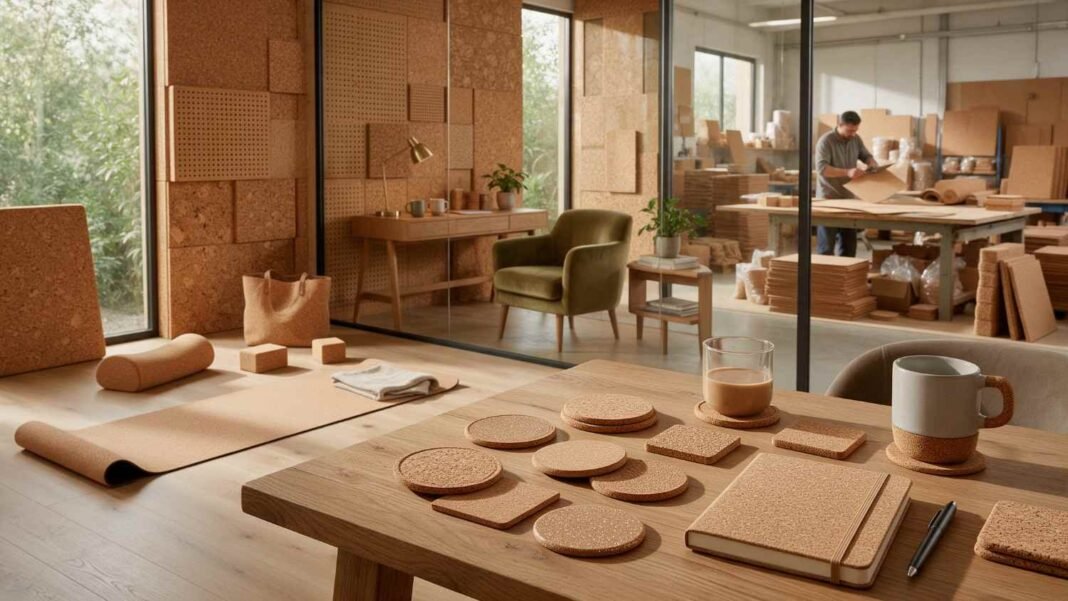
Yoga has evolved from a traditional wellness practice into an activity enjoyed by people around the world. While the basic principles of yoga remain centered on movement, breathing, balance, and mindfulness, modern practitioners often use accessories to make their sessions more comfortable and practical.
As awareness of environmental issues grows, many yoga enthusiasts are also paying closer attention to the materials used in the products they purchase. This has increased interest in natural and renewable materials that can provide functionality while supporting more conscious purchasing habits.
Cork is one material that has found a place in the yoga and wellness industry. Its natural texture, lightweight characteristics, and versatility make it suitable for a range of yoga-related products.
Why Yoga Accessories Matter
Yoga does not necessarily require a large collection of equipment. However, the right accessories can make certain movements easier and provide additional support during practice.
Depending on the type of yoga and the individual’s experience level, accessories may include mats, blocks, straps, bolsters, bags, towels, and other supporting products. These items can help practitioners improve comfort, maintain stability, or organize their equipment.
For beginners, suitable accessories can also make the learning process more approachable. More experienced practitioners may use specialized equipment to support particular poses or routines.
The key is choosing products based on actual needs rather than purchasing accessories simply because they are popular.
The Rise of Sustainable Yoga Products
The wellness industry has experienced growing interest in sustainability. Consumers are increasingly asking questions about where products come from, what materials they contain, how long they may last, and what happens to them after their useful life.
This trend has influenced the yoga market as well. Practitioners may look for products made from natural materials or choose durable accessories that can be used for an extended period.
Sustainability is not simply about choosing a product made from a particular material. It also involves considering durability, manufacturing practices, packaging, product lifespan, and whether the item genuinely meets the user’s needs.
Understanding Cork as a Material
Cork comes from the bark of cork oak trees. When harvested using appropriate methods, the bark can regenerate, allowing the tree to remain alive.
The material has several characteristics that make it interesting for consumer products. It is lightweight, has a distinctive natural texture, and can be incorporated into different designs.
Cork’s appearance also appeals to consumers who prefer natural and understated aesthetics. Instead of highly synthetic-looking surfaces, cork products can introduce an organic visual element into a yoga practice.
Choosing Cork Yoga Accessories
When exploring cork yoga accessories, practitioners should first consider the type of support they actually need.
Different accessories serve different purposes. A block may help with balance or positioning, while a strap can assist with flexibility-related movements. Bags and organizers can make it easier to transport equipment between home and a yoga studio.
The material is only one part of the decision. Users should also evaluate dimensions, construction quality, ease of cleaning, comfort, and suitability for their particular practice.
Cork Yoga Mats and Grip
A yoga mat is one of the most important pieces of equipment for many practitioners. It provides a dedicated surface for movement and can help create a consistent practice environment.
For people researching cork yoga mats, grip is often an important consideration. A yoga mat should provide a stable surface appropriate for the user’s style of practice.
The feel of a mat can also influence comfort. Some practitioners prefer softer surfaces, while others appreciate a firmer and more natural-feeling texture.
Before choosing a mat, users should consider the type of yoga they practice, how frequently they use the mat, and the conditions in which they practice.
Hygiene and Maintenance
Yoga accessories come into regular contact with hands, feet, floors, and other surfaces. Proper cleaning and maintenance are therefore important regardless of the material.
Users should always follow the manufacturer’s care recommendations. Regular cleaning can help keep accessories fresh and maintain their appearance.
Storage also matters. Yoga equipment should generally be allowed to dry appropriately before being stored for long periods. Keeping products in a clean, dry location can help extend their usable life.
Good maintenance practices can reduce the need for frequent replacement, which is another practical aspect of responsible consumption.
Durability Should Be Part of the Decision
Sustainable purchasing is closely connected to product longevity. A product that needs to be replaced frequently may not be the most practical choice, even if its material has appealing environmental characteristics.
When selecting yoga equipment, consumers should look at construction quality and expected use. Products designed for regular practice should be able to withstand normal handling and storage.
A higher-quality accessory may sometimes represent better long-term value because it can remain useful for a longer period.
Creating a More Comfortable Practice
The purpose of yoga accessories should ultimately be to support the practice rather than distract from it.
For example, a suitable mat can provide a consistent surface for movement, while blocks and straps can provide additional support for certain poses. Storage accessories can make it easier to maintain a regular routine by keeping equipment organized.
The best combination of accessories will depend on the individual’s goals, experience, and preferred style of yoga.
Sustainability Beyond the Product
Choosing a sustainable yoga product is only one part of developing environmentally conscious habits.
Practitioners can also consider how often they replace equipment, whether they properly maintain their products, and whether they purchase items they genuinely need.
Reducing unnecessary consumption can be just as important as choosing alternative materials. Taking care of existing equipment and using it for as long as it remains suitable can help reduce waste.
Packaging is another consideration. Consumers can look for businesses that make reasonable efforts to avoid unnecessary packaging while still protecting products during transportation.
Yoga Studios and Sustainable Equipment
The same principles can apply to yoga studios and wellness centers. Studios may need to purchase equipment in larger quantities and therefore have additional considerations such as durability, cleaning, storage, and replacement costs.
Natural-material accessories can contribute to a studio’s overall aesthetic, particularly when the space is designed around wellness and simplicity.
However, studio owners should evaluate products based on practical requirements rather than material alone. Equipment used by many different people needs to be appropriate for frequent use and easy to maintain.
Making Informed Purchasing Decisions
There is no single yoga accessory that is perfect for every practitioner. Personal preference, practice style, budget, maintenance requirements, and product specifications all matter.
Before making a purchase, users can compare dimensions, materials, care instructions, intended use, and available features. Reading reliable product information can also help consumers understand whether an accessory is appropriate for their routine.
Sustainability should be viewed as one part of a broader purchasing decision rather than the only factor.
Yoga accessories can provide useful support for practitioners while also contributing to a more organized and comfortable practice. As consumers become more conscious about materials and product longevity, natural alternatives such as cork are attracting greater attention.
Whether choosing a mat, block, strap, or another accessory, the most important considerations remain suitability, quality, comfort, maintenance, and expected lifespan. By selecting products carefully and taking good care of them, yoga practitioners can build a practice that is both practical and mindful of responsible consumption.

