
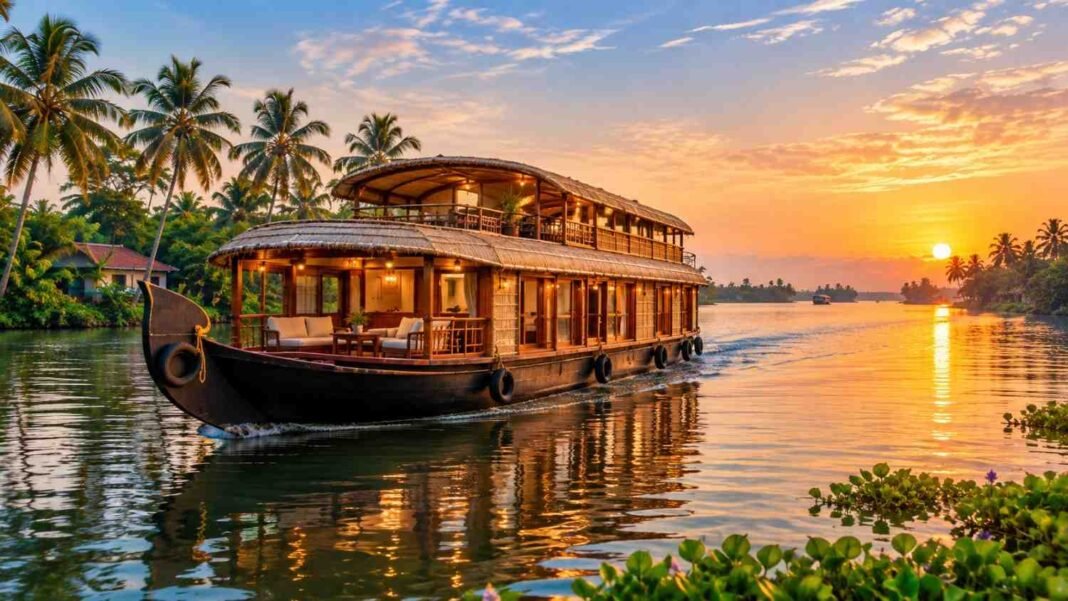
Some holidays are built around checklists of sights. A backwater holiday in Alleppey works the other way around. The pleasure lies in the spaces between activities: a canal at dawn, a long lunch on a shaded deck, a village glimpsed from a passing boat. Planning such a trip is less about packing in attractions and more about designing a rhythm that lets the scenery do its work.
This guide walks through the essentials of building that rhythm. It looks at how backwater tourism works, the difference between a short cruise and a full houseboat stay, how to shape an itinerary, what to consider for couples and families, and practical advice on food, photography, culture and booking.
Understanding Backwater Tourism in Alleppey
Alleppey, or Alappuzha, is one of the best-known gateways to Kerala’s backwaters, a network of lagoons, lakes and canals that run behind the Arabian Sea coast. Vembanad Lake forms the broad centrepiece, while narrower waterways lead through coconut groves, paddy fields and small settlements.
Backwater tourism here grew out of everyday life. Boats have long been used to carry rice, coir and people, and many communities still rely on the water. Visitors today are joining an existing landscape rather than entering a purpose-built resort, which is why respectful behaviour and a curious, unhurried attitude matter so much.
Cruise or Houseboat Stay: Choosing Your Format
The first decision is how you want to spend your time on the water. A short daytime outing is usually described as a cruise, while a longer overnight arrangement is a houseboat stay, where the boat becomes your accommodation.
Travelers who are short on time, or who simply want a taste of the scenery, often begin with an Alleppey backwater cruise that lasts a few hours and includes a meal. It offers a relaxed introduction without changing your hotel plans. A houseboat stay, by contrast, gives you sunset, dinner, a night on the water and a slow morning, which many visitors find is the fuller experience.
There is no right answer. Consider how much time you have, how comfortable you are sleeping on a boat and whether you prefer the flexibility of a hotel base for the rest of your trip.
Choosing the Right Time to Visit
Timing shapes the experience. The cooler and drier months from roughly October to February are popular, offering comfortable temperatures on deck and generally calmer conditions. The monsoon brings lush green scenery and dramatic skies, though rain and water conditions can affect schedules, so flexibility becomes more important.
Whatever season you choose, check the weather closer to your travel date and speak with your operator about how plans may change. A day that begins with mist and ends with a storm can be memorable in its own way, provided expectations are realistic and safety comes first.
Building an Itinerary
The best itineraries leave breathing room. Water travel is affected by tides, weather and timings, so a flexible plan works better than a tightly scheduled one.
One Day
With a single day, a cruise in the middle of the day is a practical choice, followed by an evening in Alappuzha town for a stroll by the canals or a local meal. Start early to enjoy softer light and cooler temperatures.
Two Days and One Night
This is the most popular pattern. Board around midday, cruise through the afternoon, moor for the evening, enjoy dinner and wake up to a quiet morning before checking out. It offers a full arc of the day without requiring a large chunk of your holiday.
Three Days or More
A longer stay lets you pair a houseboat night with time on land. You might explore village lanes by cycle or canoe, visit a temple or church, spend time at a nearby beach, or continue to other parts of Kerala, such as the hill country or the coast. Spreading activities out reduces travel fatigue and deepens the sense of place.
Planning for Couples
Couples often choose a private boat with a comfortable bedroom and a good sit-out area. Sunset on the water is a highlight, and a quiet mooring lets you enjoy it without distraction. If you are celebrating an occasion, mention it in advance so the crew can suggest suitable arrangements.
Keep the schedule simple. A slow lunch, an afternoon of reading and a candlelit dinner are more than enough to make the day feel special.
Planning for Families
Families should focus on safety, space and flexibility. Ask about decks and railings, bedroom layouts and how meals can be adjusted for children. Bring entertainment such as books, cards or drawing supplies, as the pace is slow and mobile connectivity may vary.
Children often enjoy spotting kingfishers, herons and canoes from the deck, turning the journey into a small nature outing. Supervise them near open edges and make sure life jackets are available.
Photography and Scenic Moments
The backwaters reward patient photographers. Early morning and late afternoon offer the softest light, with mist, reflections and long shadows. Look for silhouettes of coconut palms, fishermen at work, and colourful laundry lines along the banks.
Bring a zoom lens for birdlife, keep a lens cloth handy for humidity and use a wrist strap near the water. When photographing people, ask for permission and be ready to accept a polite no. Sometimes the best image is one you take only with your eyes.
Local Culture and Village Life
Cultural encounters are woven into the journey. You may pass temples, churches and small mosques, hear distant devotional music, or watch women weaving coir. In season, festivals and boat races can add colour to the region.
Approach village life as a guest. Dress modestly, keep noise low, avoid handing out sweets or money to children and choose to buy small crafts directly from local sellers where possible. These habits help tourism benefit the communities that make the region what it is.
Food and Onboard Dining
Kerala cuisine is a highlight of any backwater trip. Freshly cooked rice, coconut-based curries, vegetable dishes and local fish are commonly prepared on board. Regional favourites such as karimeen may feature depending on availability.
Because menus are planned around local ingredients, let the operator know about dietary needs in advance. Drinking water, tea and light snacks are usually part of the routine, but confirm what is included so that nothing surprises you later.
Booking Considerations and Practical Advice
Plan early for peak months, which run roughly from October to February, and for holiday weekends. When enquiring, ask about the type of boat, guest capacity, bedroom arrangement, air conditioning hours, meals, timings, route and the cancellation terms. Getting the details in writing prevents misunderstandings.
Mayooram Cruises is one of the Alappuzha operators that travelers can contact to discuss these points. Whoever you choose, compare responses carefully and choose the one that answers your questions clearly.
A few practical reminders round out the planning:
- Carry sunscreen, a hat and insect repellent
- Wear light, breathable clothing
- Keep some cash for village stops and tips
- Store electronics in a dry bag
- Follow the crew’s safety instructions at all times
Final Thoughts
An Alleppey backwater holiday succeeds when it leaves room to breathe. Choose a format that suits your schedule, whether that is a short cruise or an overnight houseboat stay, and design an itinerary that mixes water time with a little exploration on land. Consider the needs of your group, respect the communities you pass and confirm the practical details before travelling. The reward is a holiday that feels calm, unforced and distinctly Kerala, with memories built less from sights ticked off than from hours spent watching the water go by.

